Why the Most 'Creative' Scholarship Essays Often Finish Last

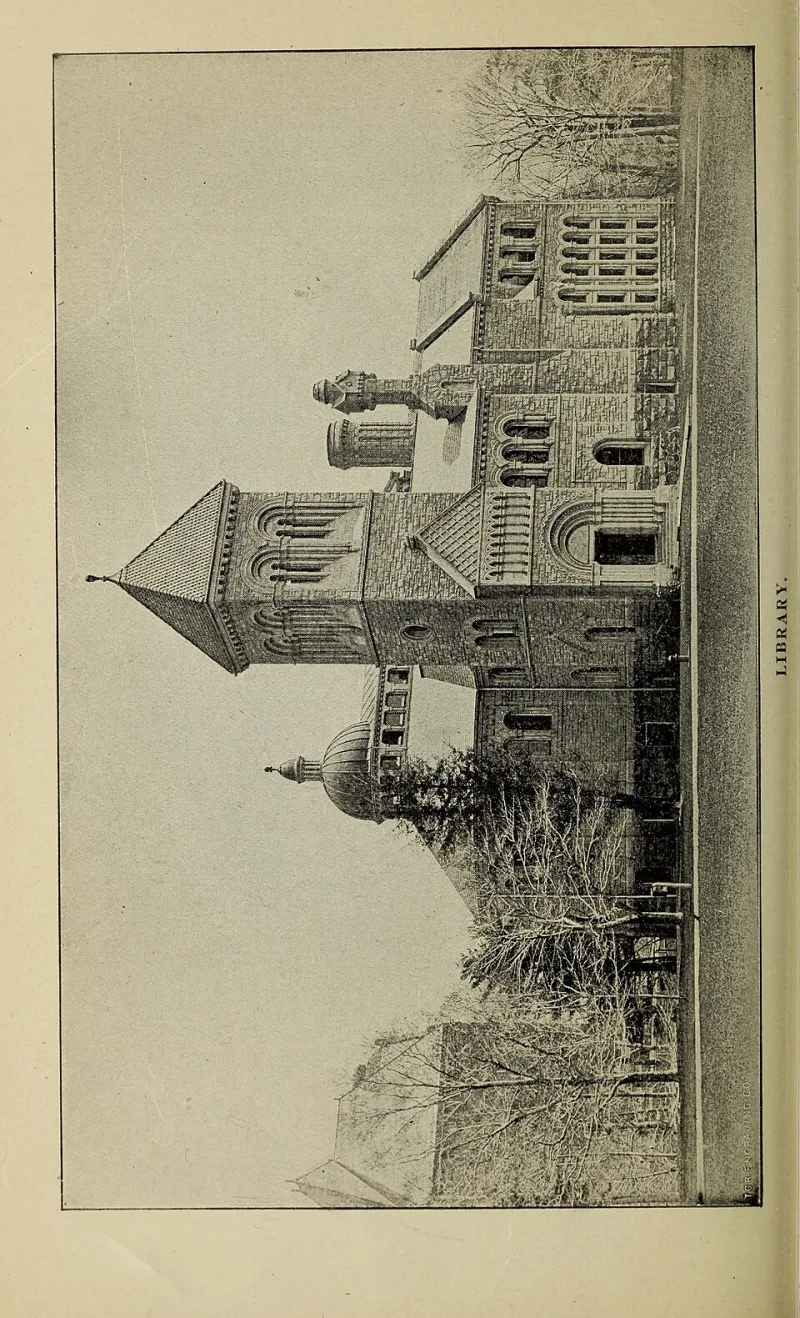
Photo: ASU Department of English, CC BY 2.0, via Wikimedia Commons
Every year, thousands of students sit down to write scholarship essays with one overriding goal: to stand out. That instinct is understandable. When you imagine a panel of reviewers sorting through hundreds of nearly identical applications, the desire to do something different—something bold—feels not just reasonable but necessary.
The problem is that "different" and "memorable" are not the same thing. And in the world of scholarship applications, confusing the two can quietly cost you awards you were otherwise qualified to win.
The Performance Trap
There is a particular kind of essay that scholarship readers have seen so many times it has become almost a genre unto itself. It opens with a dramatic scene—a storm, a hospital room, a moment of crisis rendered in cinematic detail. The prose is deliberate, sometimes overwrought. The applicant is clearly trying very hard to make an impression.
And yet, these essays rarely win.
The reason is not that the writing is poor. Often, it is technically proficient. The issue is that the effort is visible in a way that works against the writer. When a reader can sense that every sentence has been engineered for effect, the authentic voice beneath it disappears. What remains is a performance—and scholarship judges, many of whom review applications professionally or serve on committees year after year, have developed a sharp instinct for detecting it.
Dr. Renee Navarro, a longtime scholarship committee chair at a mid-sized university in the Midwest, has described the experience this way: an essay that opens with theatrical flair often raises the reader's defenses rather than lowering them. The question shifts from "Who is this person?" to "What is this person trying to make me think about them?"
That is a subtle but critical distinction.
What Judges Are Actually Looking For
The stated criteria for most scholarship essays center on qualities like leadership, community impact, academic achievement, or alignment with a specific mission. But behind those formal categories, reviewers are consistently drawn to applications that demonstrate one thing above all others: self-awareness.
Self-awareness is not the same as self-promotion. A student who writes about overcoming a learning disability and frames every paragraph around how exceptional they are will read very differently from a student who writes about the same experience and honestly examines what it taught them about patience, advocacy, or the limits of their own assumptions.
The second essay is not less confident. It is more trustworthy. And trustworthiness, in a scholarship context, translates directly to credibility—the sense that this is a real person whose story is worth investing in.
This is the balance that eludes so many applicants: being compelling without being calculated, being distinctive without being performative.
The Gimmick Problem
In recent years, the rise of online application platforms and an increasingly competitive funding landscape has pushed some students toward more extreme forms of differentiation. Essays written entirely in verse. Submissions that open with a recipe. Narratives structured as court transcripts or choose-your-own-adventure sequences.
Occasionally, one of these formats works. But more often, the format becomes the story—and the actual person behind it gets lost.
Scholarship committees are not looking to be entertained. They are looking to be convinced. Convinced that this particular student, among all the qualified applicants in the pool, represents the kind of person their award was created to support. Unconventional formatting rarely makes that case. It tends instead to raise questions about judgment, about whether the applicant understands the context they are writing in.
This is especially true for merit-based and mission-driven scholarships, where alignment with the organization's values is a core evaluation criterion. A gimmicky essay does not demonstrate alignment. It demonstrates a desire to be noticed—which is a different thing entirely.
What "Memorably Genuine" Actually Looks Like
The essays that scholarship readers remember—and that advance to final rounds—tend to share several qualities that have nothing to do with creative risk-taking.
Specificity over generality. A student who writes "I have always been passionate about environmental justice" is easy to forget. A student who writes about organizing a water quality testing initiative in their rural county, and what they learned when local officials dismissed the results, is not. Specific details create texture. Texture creates presence. Presence is what makes an essay linger after the reviewer closes the file.
Honest tension. The most effective scholarship narratives do not present a polished arc from struggle to triumph. They acknowledge complication. A student who admits they almost quit a community project they now point to as a formative experience is more believable—and more interesting—than one whose story contains no doubt, no friction, no moment where the outcome was genuinely uncertain.
A clear point of view. Standing out does not require an unusual topic. It requires a perspective on the topic that feels distinctly yours. Two students can write about losing a grandparent. The essays will be entirely different if each writer has genuinely interrogated what that experience meant to them, rather than reaching for the universal emotional notes that such a topic invites.
Reframing What "Standing Out" Means
The scholarship essay is not an audition. It is a conversation. The student who approaches it that way—who writes as though they are explaining something true about themselves to a thoughtful reader, not performing for an audience—almost always produces a stronger result than the student who treats the page as a stage.
This reframe matters practically. It means that before you write a single word, the most important question is not "How do I make this interesting?" It is "What do I actually want this person to understand about me, and what is the most honest way to communicate that?"
Answering that question with clarity and restraint is harder than writing a dramatic opening scene. It requires real reflection. But the essays that emerge from that process are the ones that scholarship committees describe, months later, as the ones they still remember.
A Final Note on Authenticity
Authenticity has become something of a cliché in college application advice, repeated so often that it has started to lose meaning. But in the context of scholarship essays, it points to something precise: the difference between a student who is telling their story and a student who is selling a version of their story.
Readers can feel that difference. They may not be able to articulate it in the moment, but it shapes how they respond to an application, how much they trust what they are reading, and ultimately whether they advocate for that student when the committee convenes.
The goal, then, is not to stand out. It is to be genuinely present on the page. That presence—unforced, specific, honest—is what actually makes an application memorable. And memorable, in the end, is what wins.